
Sealing prints
A seal is a clear protective layer over the printed face. It is one of the lowest cost ways to stop a good print getting scuffed, but not every print needs one.

Worth sealing.
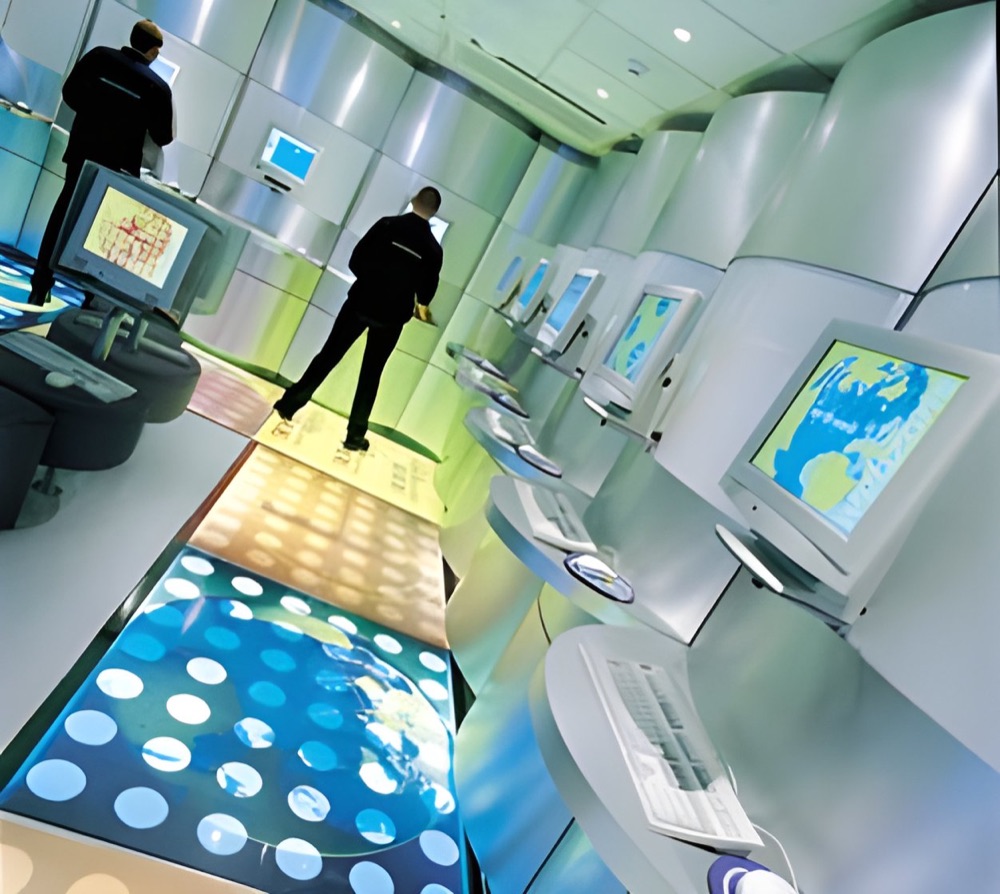
- Anything people touch. A map in a visitor centre, a board passed round a meeting, a wall at hand height in a corridor.
- Posters outdoors for more than a few days. Damp and grit will shorten the life of an unprotected sheet.
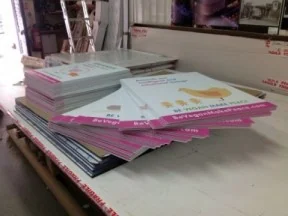
- Prints that travel. Boards that get stacked, loaded and unloaded pick up scratches fast.
- Dark, solid colours. Large areas of black or navy show every mark, so they benefit the most.
- Mounted boards. Foamex with a soft print surface gains a tougher face.
Not worth sealing.
- Prints going behind glass. The frame is already doing that job.
- Short indoor jobs. A poster up for one evening, well away from hands, can go without.
- Anything you will write on or change. Test any pen first.
- Art prints where the paper surface is the point. A seal changes the feel of a sheet, and may alter its sheen.
The price of protection.
| Size | Seal |
|---|---|
| A2 | £6 |
| A1 | £10 |
| A0 | £15 |
| 30in x 20in | £9 |
| 40in x 30in | £19 |
| 60in x 40in | £22 |
Guide prices from our price list. They exclude VAT and delivery and assume print-ready artwork.
The seal is added to the price of the print and any mounting. For example, an A1 print on photo gloss 190gsm is £30, and a seal for that size is £10. Listing the two items separately in your enquiry helps you see what each one adds.
What a seal does not do.
It does not make paper waterproof. The edges of the sheet are open, so water can still get in there and work its way across. For wet places, a sheet that is fully enclosed will do better: see encapsulating printed sheets. It will not make a print permanent either. Strong sun and bad weather still take their toll, and how long a print lasts depends on the material, the position and the climate.
It will not rescue a poor surface. A crease or scuff already on the print stays there, sealed in. Inspect a print before it gets its seal.
Seal or laminate?
The two words get used loosely, and the right choice depends on the job. Our laminate or seal guide compares them directly, and if you want to think about surface sheen, read gloss or matt lamination. Tell us how the print will be used, and we can recommend one.
Prints in busy places.
Your questions.
Can I seal a print that was printed elsewhere?
Ask us first and send details of the print. Some surfaces and inks do not take a seal well, and we would want to look at it.
Will a seal change the colours?
Any clear layer can change the look a little, usually slight shifts in sheen and depth. If the colour is critical, ask about a test.
How do I clean a sealed print?
A soft, slightly damp cloth is usually enough. Avoid abrasive pads and strong solvents, and dry it off gently.