
Encapsulating printed sheets
Encapsulating closes a printed sheet between two layers of clear film, with a sealed margin all round. The print ends up fully enclosed, which is what sets it apart from a simple surface coat.
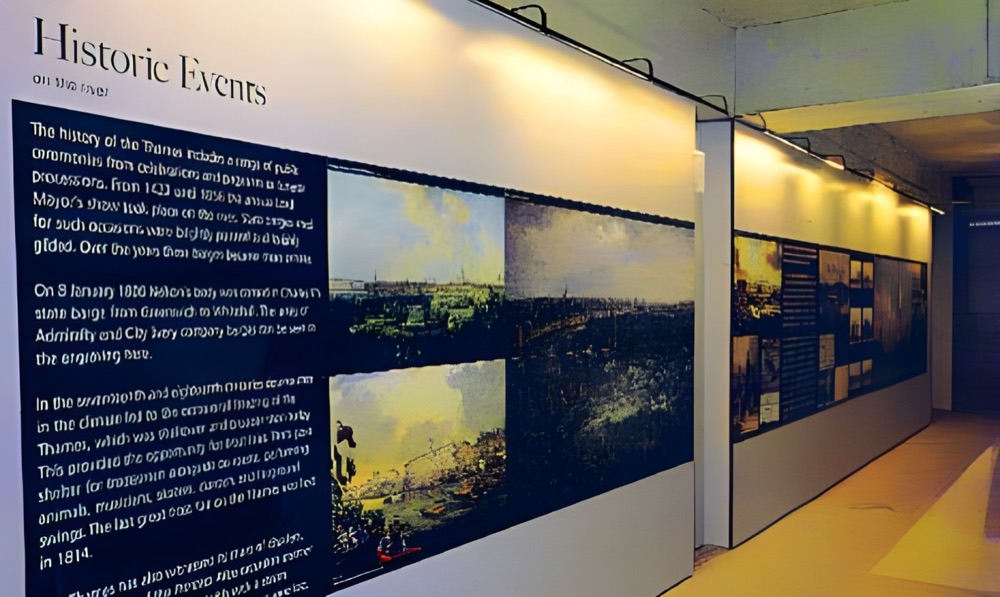
What the border does.
Protect only the face of a sheet and its edges stay open, so moisture and grime can creep in. Encapsulation solves that by leaving a thin clear margin beyond the paper, where the two films bond to one another. No paper is exposed anywhere, so a greasy thumb or a wet cloth does no harm. As a rule of thumb, allow for a border of a few millimetres on each side and ask us how it will affect your finished size.
Who needs it.
- Kitchens and food areas. Allergen charts, cleaning rotas and wall menus get splashed and wiped.
- Workshops and plant rooms. Process sheets and notices get handled with dirty hands.
- Schools and nurseries. Posters that are touched, pinned and moved around.
- Garden centres and stalls. Price cards and plant information near water.
- Site offices. Plans that go in and out of a van.
How it compares.
| Encapsulated | Sealed | Mounted | |
|---|---|---|---|
| Edges | Fully enclosed | Open | Open, unless wrapped |
| Can be wiped | Yes, including the edges | The face | The face, if sealed |
| Stays rigid | No, it stays flexible | No | Yes |
| Can be rolled | Gently | Yes | No |
| Good for | Handled sheets | Posters on display | Long-term wall panels |
Things to think through first.
It is permanent. Once encapsulated, a sheet cannot be released without damage. Proofread it first, since a wrong phone number means reprinting the job.
Do not encapsulate an original. The process may use heat and adhesive, so a one-off document, old map or family photograph should not go through it. Print a copy instead, and speak to a paper conservator about the original. Our archiving guide has more about keeping originals safe.
Holes need care. Punching into the paper area breaks the seal, so moisture can get in at that point. Eyelets and holes belong in a border wide enough to take them. Mention this when you order so that the margin can be planned.
Outdoor use has limits. It helps a poster survive some weather, but it is not the same as an outdoor material. For a longer stay outside, read our waterproof poster options.
Glare. The film has a sheen that can catch the light. Check how the area is lit if the sheet needs to be read from a distance.
Encapsulating is available on request and is priced to the job, so tell us the sheet size and quantity.
Sheets made to be handled.
Your questions.
Can a large poster be encapsulated?
Ask us with the size. Large sheets need more care to stay flat and clear, and we can tell you what is practical.
Can you write on an encapsulated sheet?
A dry-wipe marker may work on some films, but it can leave marks. Test it on a sample before relying on it for a rota or chart.
Is encapsulation recyclable?
Paper sealed inside plastic is hard to recycle. If waste matters to you, consider how long the sheet needs to last and read our notes on reducing print waste.