
Laminate or seal
Use a film laminate where a print will get real physical wear, and a seal for most other jobs, particularly anything that has to stay flexible. Printers use the words loosely, so always ask what is being applied.
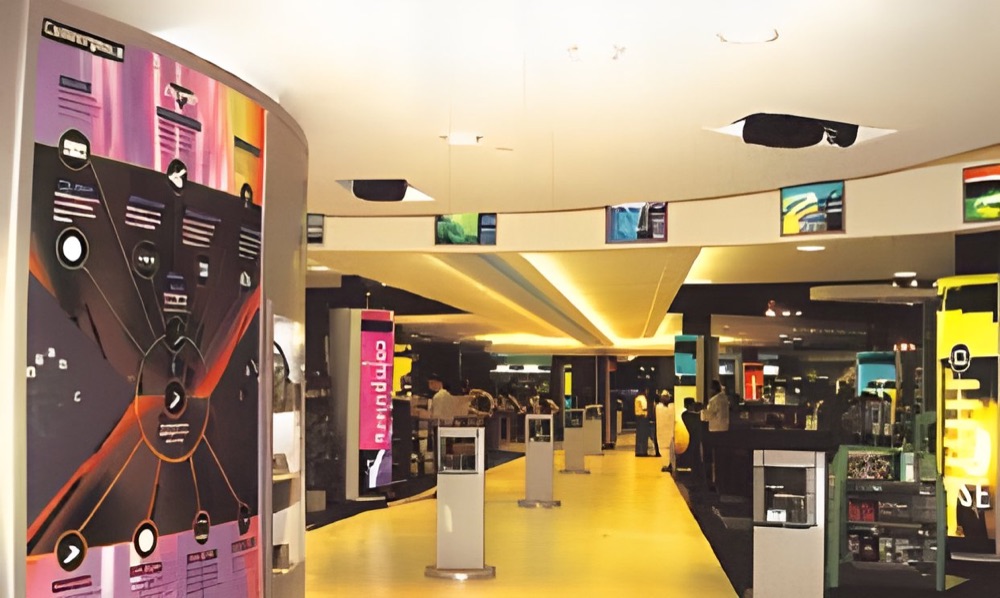
A film on top, or a coat on top.
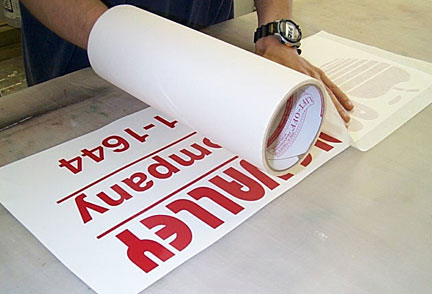
A laminate is a thin plastic film bonded across the face of the print. You can often feel it, and it adds a little stiffness. A seal is generally a thinner clear protective layer. It sits close to the surface, so it keeps more of the feel of the original material.
These terms are not used in the same way by everyone in the trade. You may see sealing, laminating, coating and encapsulating used for overlapping things. The word on a quote matters less than the description behind it, so ask what the finish actually is, and what it is meant to resist.
How they usually compare
| Film laminate | Seal | |
|---|---|---|
| Protection from scuffs | Stronger | Good for everyday handling |
| Added stiffness | Some | Very little |
| Stays flexible for rolling | Less so | Better |
| Effect on texture | Covers it | Keeps more of it |
| Risk at the edges | Can lift if badly handled | No film edge to peel |
| Typical uses | Floors, counters, menus, busy panels | Posters, photographs, canvas, mounted displays |
Choosing for your job
- Floor graphic: it needs a laminate made for the purpose, with the grip the location requires. See floor vinyl laminates, and leave nothing to chance on slip resistance.
- Mounted exhibition panel: either can do the job. Think about how close the public gets.
- Canvas: a seal keeps the weave visible, and it lets the print flex as it goes over the bars.
- Poster in a corridor: protection matters more than feel. Our guide to laminated posters for busy areas goes further.
- Fine art print: be cautious. Any coating changes the surface, and buyers may prefer none at all. Behind glass, you may not need one.
Finish is its own decision
Both can be chosen in different sheens, and that changes how the print looks more than the protection does. A matt finish calms reflections but dulls the darkest tones a little. Gloss deepens colour and shows every reflection. Whatever paper you choose, the top layer decides the surface you end up seeing.
What sealing costs
Our price list has a line for seal, by size. Laminates vary with the film and the use, so ask for a price on the actual job.
| Size | Price |
|---|---|
| A2 | £6 |
| A1 | £10 |
| A0 | £15 |
| 30in x 20in | £9 |
| 40in x 30in | £19 |
| 60in x 40in | £22 |
Guide prices from our price list. They exclude VAT and delivery and assume print-ready artwork.
What neither one will do
Neither finish turns a paper print into an outdoor product by itself. Neither makes a poor surface good, and neither can be taken off afterwards without risk to the print. Also, protection does not mean cleaning with anything you like: use a soft damp cloth and avoid solvents. Tell us the location and how it is cleaned, and we can suggest what suits it. Our sealing prints page has more.
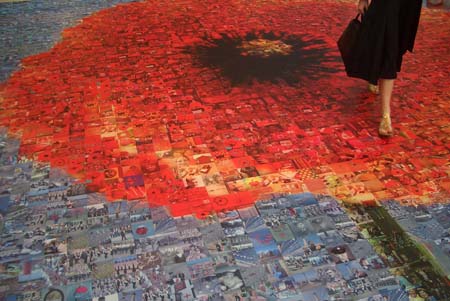
Surfaces that take wear.
Your questions.
Does a seal make a print waterproof?
It adds resistance, but it is not a promise. The material underneath and the edges still matter, so tell us about the conditions it has to cope with.
Can you seal a print I already have?
Ask us first. It depends on the print, the ink and the surface, and any finish is hard to undo.
Is encapsulating the same as laminating?
They are related. Encapsulating encloses a sheet on both sides with a sealed border, whereas a laminate is normally on the printed face.