
Printing limited editions
An edition is a promise to the people who buy it. The printing is simple next to the planning that keeps that promise.
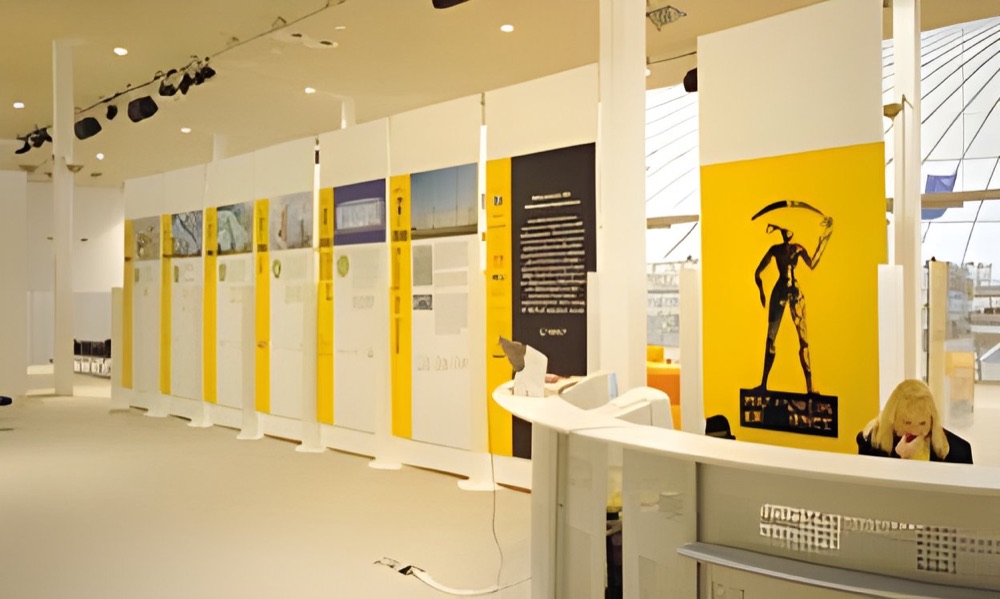
Fix the number before the first print.
Decide the edition size, the print size and the material together, and write them down. Fifty prints at A2 on one paper is an edition. A second run at A1 on canvas is, to most collectors, a separate one, and should be described as such.
Choose a number you can honestly sell. A small edition feels rarer, but a large unsold stack is cash sitting in a plan chest. It is common to hold back a few artist's proofs on top of the numbered prints, so say how many exist.
One run, or printed as they sell?
| All in one run | In batches | |
|---|---|---|
| Consistency | Easiest to keep every print the same | Needs a locked file and a recorded specification |
| Money up front | Higher | Lower |
| Storage | You need flat, dry space | Smaller stock at any time |
| Risk | Unsold prints | A material being changed or discontinued mid-edition |
Steps from file to signed print
- Lock the master file and do not edit it again.
- Print a proof on the final material and sign it off. Keep it as the reference.
- Leave a clean margin if you plan to sign and number on the sheet.
- Print, then inspect each sheet under good light.
- Number and sign, traditionally in pencil, for example 7/50.
- Fill in your edition record.
Keep an edition record
A single page saves arguments later. Note the title, date, image file name, material, size, edition size, number of proofs, printer, and who bought which number. If you offer a certificate, make it match that page. Wording around "limited" is a claim made to buyers, so take advice if you are selling at volume or through a gallery.
Choosing the print itself
Art papers and canvas are the usual choice for editions, and our guide to art paper for giclée prints explains the options. Ask us for a price on these, as they depend on your size and quantity. For photographic editions on gloss or matt, our multiple-print pricing helps. The count runs across one size within one order and ignores the image, so a series of different pictures can qualify together.
| Size | 1 print | 5+ prints | 20+ prints |
|---|---|---|---|
| A3 | £7.99 | £5.50 | £3.99 |
| 20in x 16in | £11.99 | £7.99 | £5.99 |
| A2 | £13.99 | £9.99 | £6.99 |
| 30in x 20in | £18.99 | £12.50 | £9.50 |
Guide prices from our price list. They exclude VAT and delivery and assume print-ready artwork.
If the image began life as a painting, read reproducing a painting first.
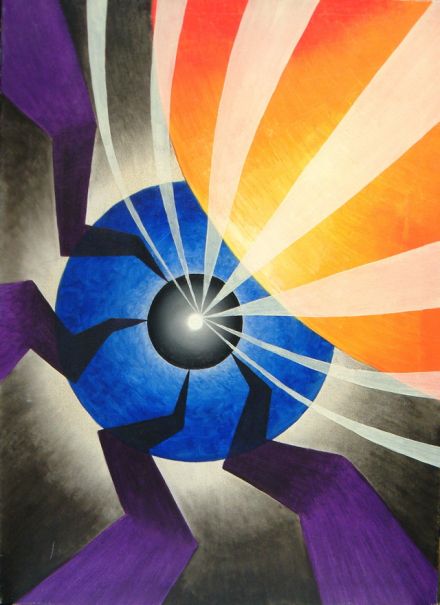
Editions on the wall.

Your questions.
How many artist's proofs should I keep?
There is no fixed rule. By convention it is a small number compared with the edition. Whatever you choose, state it openly.
Can I reprint an edition if it sells out?
Printing more of the same work at the same size would break the promise to your buyers. A different size or material is sometimes offered as a new edition, but it needs to be described clearly.
Do I have to print the whole edition with one printer?
Not by rule, but staying with one printer and one material makes a consistent result much easier. Keep the signed-off proof in case anything changes.