
Art paper for giclée prints
The paper is not just a surface for the print. It sets the mood of the work, so choose it with the original beside you.
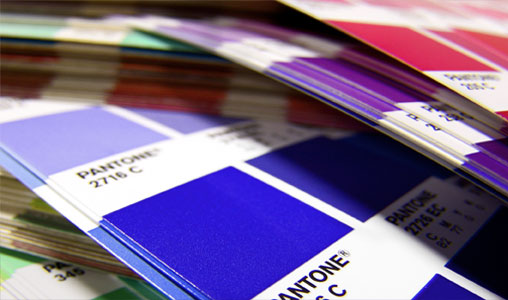
Match the paper to the original.
A watercolour wants to sit on something with tooth. A sharp black and white photograph wants the opposite. As a starting point, try to echo the surface the work was made on, then test from there.
| Paper family | Surface | Often suits | Watch out for |
|---|---|---|---|
| Smooth cotton rag | Fine, velvety, matt | Illustration, drawing, detailed work | Marks if handled carelessly |
| Textured cotton | Visible grain, like watercolour paper | Watercolour, pastel, gouache | Softens fine lines and small type |
| Baryta | Smooth with a soft sheen | Photography, deep blacks | Some reflection under direct light |
| Bright white alpha cellulose | Smooth or lightly textured | Bright colour, graphic work | May contain brighteners, so ask |
Paper names vary between mills, and our range can change, so ask us what is available for your job before you commit to one.
Terms worth understanding
- Cotton rag. Paper made from cotton fibre, not wood pulp. It is the traditional choice for work meant to last.
- Acid-free. The paper has been made without the acids that cause it to yellow and turn brittle with age.
- Optical brighteners. Additives that make paper look whiter. Some people avoid them for long-term work, as the whiteness can shift over time.
- Weight. Art papers are generally much heavier than poster paper, and that adds to the feel of the print in the hand.
None of these is a promise of how long a print will last. That also depends on the ink, the light in the room and the way it is framed.
The white of the paper counts
The paper is the brightest thing in your print, as there is no white ink in the highlights. A warm natural paper will make the whole image feel warmer, which can be perfect for a pencil study and wrong for a clean graphic. Hold the paper up next to your original.
Size and paper go together
Not every art paper comes in every width, so if you are planning a big print, confirm the paper and the size at the same time.
Test before you edition
If you plan to sell a limited edition, print one proof on your favoured paper and live with it for a few days, in daylight and lamp light. Note the paper's exact name for reprints. For the wider process, see giclée printing.
From studio work to finished print.
Your questions.
Which paper is closest to a traditional photographic print?
Baryta papers are made with that look in mind. They have a smooth sheen and rich blacks, without the plastic feel of some photo papers.
Can I supply my own paper?
Ask us first. Paper has to suit the printer and be profiled for it, so we would need to know exactly what it is.
Do art papers need special handling?
Yes. Surfaces can mark easily, so wear clean cotton gloves, hold the sheet by opposite edges and interleave stored prints with acid-free tissue.