
Giclée or photographic print
For paintings, drawings and work on textured paper, ask for a giclée. For photographs, either can be right, so first find out what the words mean to the person printing.
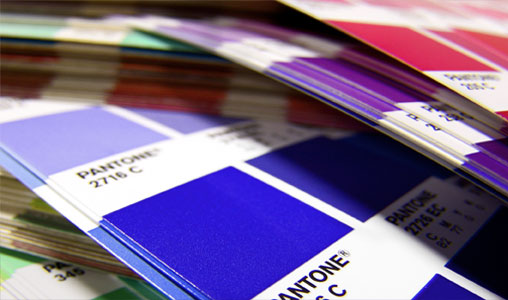
Two labels, and neither is an official standard.
Much of the confusion here comes from the terms. Giclée normally describes a high-quality inkjet print made with pigment inks on fine art paper or canvas. Photographic print has two meanings. Strictly, it describes a print made by exposing light-sensitive paper and developing it in chemicals, known as a C-type for colour. Loosely, people use it for any picture printed on a photo paper, including an inkjet one.
So two printers can use the same words and mean different things. For that reason, before you compare prices, ask how the print is actually made.
What we can tell you up front
The large format prints on our price list are inkjet prints, on photo papers in matt, silk and gloss. We also offer giclée printing. If you need a chemically developed print, perhaps because a competition or a gallery requires one, please ask us before you assume we can supply it.
How the choice looks in practice
| Your work | Best fit | Why |
|---|---|---|
| Painting or watercolour reproduction | Giclée | Textured art papers echo the original |
| Drawing or print with paper tone in it | Giclée | Matt art surfaces show subtle tones well |
| Colour photograph with a classic lab look | Photographic paper | Smooth surface, deep blacks and a familiar sheen |
| Black and white photograph for sale | Either, by test | Depends on the paper you prefer |
| Display photo for an office or a shop | Inkjet on photo paper | Good quality, sensible cost |
| Limited edition | Giclée, as a rule | Buyers tend to expect art paper and pigment inks |
Surface is the real decision
Once you strip away the labels, you are choosing between a smooth, slightly shiny surface and a soft, textured one. Gloss and silk papers give deep blacks and strong colour. Art papers absorb more of the light, so they look quieter, and the darkest tones are not as deep. Nothing else on this page will change the look as much as that does.
Questions to ask any printer
- Is the print made with ink, or developed from light-sensitive paper?
- If ink, is it pigment based?
- Exactly which paper is it, and can I see a sample?
- Can you make a proof of my image on that paper?
- What display conditions do you recommend?
Be careful with claims about how many years a print will last. Any figure depends on the ink, the paper and above all the light in the room, so treat a number as a comparison and not a promise.
If you sell your work
Describe it accurately on your labels and certificates. "Pigment inkjet print on cotton paper" tells a buyer more than a single word, and it is a sentence you can stand behind. Our guide to printing limited editions covers the rest of what collectors look for.
Art and photographs in print.
Your questions.
Is a giclée better than a photo print?
Not by default. A well-made print of either type can be excellent. The right question is which surface suits your image and your buyer.
Why do photographers use giclée if it was invented for art?
Many like the choice of papers. Matt cotton papers in particular give a quiet, tactile finish that a gloss paper cannot.
Can a giclée be made from a film original?
Yes. The film is scanned first, and a drum scan is a good route if you plan a large print from it.