Fine art & giclée printing
Reproduce artwork and illustrations for display, portfolios or sale.

Galleries ask more of a printer than most customers, because an artist's name and a collector's money sit behind every sheet. This page on printing for art galleries is for gallerists, studios and exhibition managers looking at editions and show graphics.
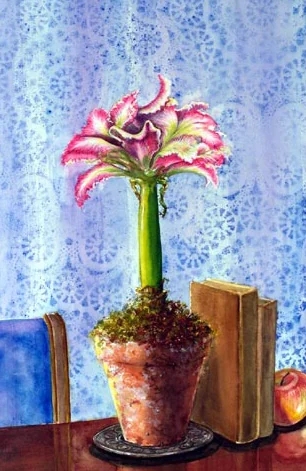
Colour on an edition is a judgement rather than a measurement. Agree who signs off, ideally the artist, and view proofs in a light close to where the work will hang, since a proof that looks right under a studio lamp may shift in a white cube. Paper changes the result as much as ink does, so test the image on a couple of stocks. Our fine art printing page describes the papers and process. Keep the signed proof as your reference.
Decide the edition size and number of artist's proofs before printing, and write it down, because collectors will ask. Printing the full run together helps consistency, though some galleries print to order to avoid holding stock, and if so the file, paper and reference proof all need to stay fixed. Ask about archival stock if longevity matters, and ask for the manufacturer's data rather than relying on a general claim. Certificates of authenticity are normally issued by the artist or gallery, and they should state the materials used.
Exhibition openings need more than the art. Wall text in cut vinyl gives clean lettering with no background panel, usually on smooth, fully cured paint, and normally comes off between shows with little repainting. Exhibition posters can double as affordable merchandise if printed on a good paper stock. For older work existing only on transparency, drum scanning can capture detail for reproduction. Make sure you have the rights in writing before reproducing work by anyone other than the commissioning artist.
Yes, if file, paper and proof stay fixed. Be aware that paper batches can vary slightly over time, so discuss your edition size and print schedule with us before you start.
The artwork needs high-quality capture, by specialist photography or scanning, depending on its size and surface. Existing transparencies can be scanned. Ask us what suits your piece, as glossy or textured surfaces need careful handling.
Reproduce artwork and illustrations for display, portfolios or sale.
Discuss the digitisation of photographic originals for print and reproduction.
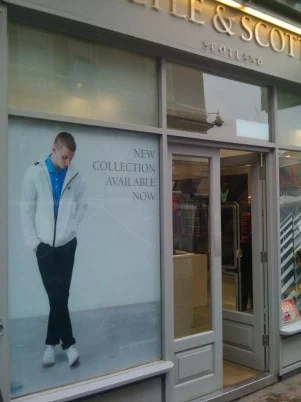
Put your message in focus with posters for shop windows, exhibitions, presentations and promotional campaigns.
Tell us what you’re making. We’ll help you plan the print.