Fine art & giclée printing
Reproduce artwork and illustrations for display, portfolios or sale.

Giclée printing is the term artists and galleries use for high-quality inkjet reproductions on fine art media. This page is for painters, illustrators and photographers who are preparing to sell prints or release an edition.
The word comes from a French verb meaning to spray, and it was adopted in the 1990s to set fine art inkjet prints apart from ordinary output. No official standard controls its use, so it pays to ask what is behind the label. Look for pigment inks, acid-free papers such as cotton rag, and proper colour management. Lifespan claims depend on paper, ink and display conditions, not on the name. Our fine art printing page sets out what to ask about materials.
The print can only be as good as its capture. Phone photos rarely work, because of lens distortion, uneven light and glare on varnish. A flat, evenly lit photograph taken with a good camera can do the job, and for smaller flat originals or transparencies, specialist scanning may record more detail; ask us about drum scanning if you work from film. Keep the original beside the proof when you compare them. Expect some adjustment, as subtle greens, metallic paints and thick impasto are all hard to reproduce faithfully.
Decide your edition size before the first print, and stick to it. Collectors value a clear statement of how many exist, what size they are and whether artist's proofs sit outside that number. Number and sign in pencil, and keep a simple record of each sale. A certificate of authenticity is a nice touch, though it should say only what you can stand behind. Choose one paper for the whole edition, because switching halfway produces a visibly different print. Ask us to run a proof before you approve the set.
No. Posters are generally produced on lighter stock for shorter-term display, while a giclée print uses pigment inks on fine art paper, aimed at sale, collection and framing. The difference shows in texture, tonal range and lifespan.
That depends on the ink, the paper, and where it hangs. Keeping the work out of direct sunlight and damp makes a big difference, and UV-filtering glazing can help. Be cautious of any very precise figures.
Reproduce artwork and illustrations for display, portfolios or sale.
Discuss the digitisation of photographic originals for print and reproduction.
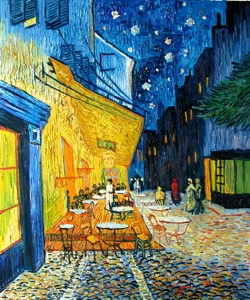
Give a photograph, illustration or artwork a textured canvas finish.
Tell us what you’re making. We’ll help you plan the print.