
Care home wall art
In a care home, a picture can be a landmark, a conversation or a source of confusion. Getting it right starts with the residents, then moves on to print.
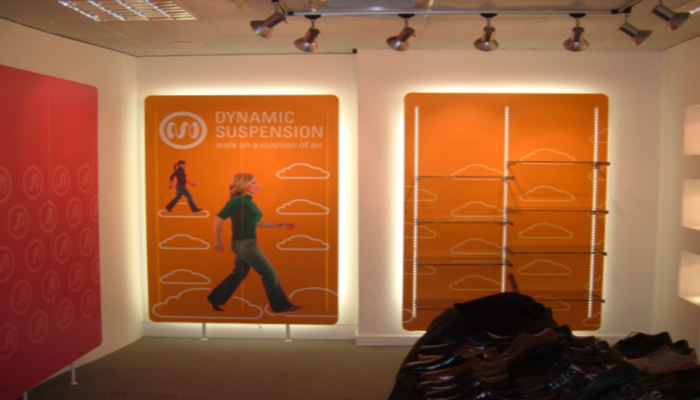
Art with a job to do.
A long corridor of identical doors is hard for anyone new, and much harder for someone living with dementia. A large, distinctive picture at a turning point gives people something to steer by: "my room is just past the blue boat". That is why care homes use art differently from a hotel. It is part of how the building is read.
This page offers print advice, not clinical advice. Your care team, your dementia lead and families know your residents, so involve them from the first sketch.
What tends to help, and what to check
| Choice | Why it can help | Think carefully about |
|---|---|---|
| Large, simple subjects | Easier to recognise for failing eyesight and memory | Busy scenes can be hard to make sense of |
| Matt finishes | Less glare, and fewer confusing reflections | Gloss or glass can look like a window or a stranger |
| Lower hanging heights | In view from a wheelchair or armchair | Check for standing residents too |
| Real, familiar scenes | Prompts memories and talk | Childlike images can feel patronising to adults |
| Plain floors | Fewer misread shapes | Dark or patterned floor graphics can look like holes or steps |
That last row deserves emphasis. Floor graphics are usually a poor idea here. A shape that looks decorative to a visitor may look like an obstacle to someone with changed perception, and that creates a risk of falls.
Local history beats stock images
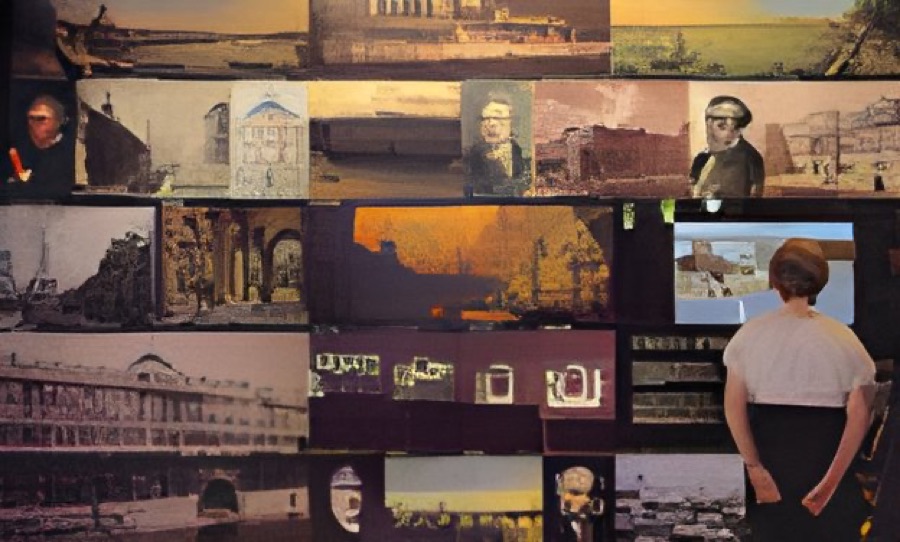
Pictures of the high street, the old factory, the local football ground or a seaside resort from decades past give residents something to talk about. Your local library or history society may hold them, or relatives may lend them. We can scan original photographs or photograph fragile items, then print them large. Check who holds the rights before reproducing anything.
Bedroom doors
A personal picture by each door helps residents find their own room. It might be a favourite photo, a former house or a trade. Agree this with the resident or their family, since personal details on a corridor are a matter of dignity and privacy. Printing doors to look like something else, or disguising exits, raises real questions about consent and safety. Those are decisions for your care team, and not for a printer.
Practical matters
- Cleaning. Choose a surface your infection control routine can cope with. A sealed or laminated print on board is usually simpler than canvas in high-touch areas. See laminate or seal.
- Fixing. Pictures must be firmly secured, as residents may hold on to walls. Avoid hanging wires and glass in shared spaces.
- Fire. Check any new wall material against your fire risk assessment.
- Inspection. Talk to your manager about what your regulator would expect to see.
Start small. Try one corridor, watch how residents respond, and ask them. Their reactions are better than any rule. For seating areas with a similar brief, see healthcare waiting room graphics.
Pictures along a wall.
Your questions.
Can you print from a family's old photo album?
Yes, with their permission. A small print can be scanned and enlarged, and we can tell you how far it will go before it looks soft.
Is there a best colour scheme for dementia care?
Strong contrast between a picture and its wall generally helps, but specialist advice exists on this. Ask your dementia lead, or an adviser in dementia-friendly design, before settling on a scheme.
Should the pictures be changed from time to time?
Landmarks work because they stay put, so leave wayfinding pictures where they are. Lounges and activity rooms can rotate seasonally for variety.