
Boards for corridor displays
A corridor is the only place where people see your display while walking past it, close up and at an angle, often with a bag on one shoulder.
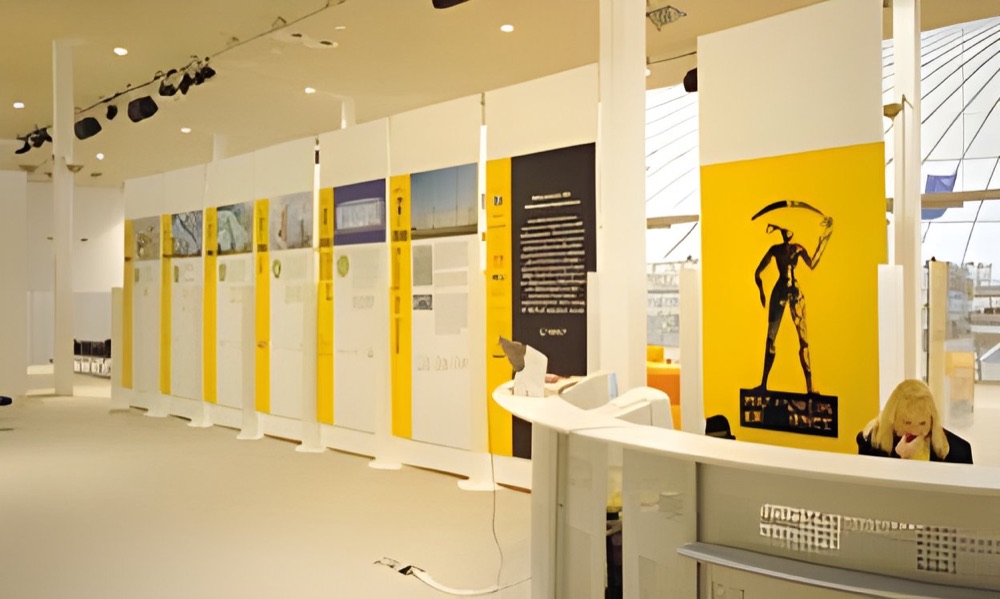
Walk it before you measure it.
Spend ten minutes in the corridor at a busy time. You will learn more than any drawing can tell you. Take this list with you:
- Where do people actually walk? Scuff marks on the paint show you the height and position of everyday contact.
- What comes through? Trolleys, wheelchairs, beds, cleaning machines and sports bags all hit walls at different heights.
- What is the light doing? Long runs of ceiling lights make bright streaks on glossy surfaces.
- Do doors swing out? A panel behind a door opening will get hit by the handle.
- Where do people stop? Lift lobbies and queues get read. Fast stretches get glanced at.
People see it side-on
Most panels are designed flat on a screen, then seen from a sharp angle. That favours big headings, short lines and images that still make sense at a glance. Any fine detail should go where people naturally pause. A matt surface helps too, because a glossy one turns into a mirror for the ceiling lights at that angle.
Picking the board
Thin, soft boards do not last here. Polyboard dents at the first knock, and its corners crush, so keep it for short displays in quiet areas. For most corridors, 5mm Foamex with a protective finish is the sensible default. It sits close to the wall and takes a knock reasonably well. If the panels are permanent and the traffic is heavy, 3mm Dibond resists much better, though it weighs more and needs proper fixings.
| Option | A2 | A1 | A0 |
|---|---|---|---|
| 5mm Foamex | £8 | £14 | £25 |
| 3mm Dibond | £18 | £24 | £35 |
| Seal, added to protect the print | £6 | £10 | £15 |
Guide prices from our price list. They exclude VAT and delivery and assume print-ready artwork.
Height and depth
Galleries often centre pictures at around 1.5m from the floor, and that is a reasonable start. For a school, or anywhere with wheelchair users, keep the main text lower so that seated readers and children are not left out. Avoid anything that sticks out from the wall, and keep the fixings low-profile.
Check the rules for your building
In many buildings a corridor is also an escape route, and there may be limits on what can be fixed to its walls and how much of them can be covered. Ask whoever is responsible for fire safety before you order, and in schools or healthcare settings ask about infection control and cleaning too.
Plan for change
Corridor displays go stale fast. If the content changes each term or season, fix the panels so they lift off easily, with Velcro or a simple drop system, and keep the layout template so that new panels match the old.
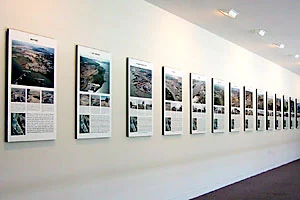
Panels along a walkway.
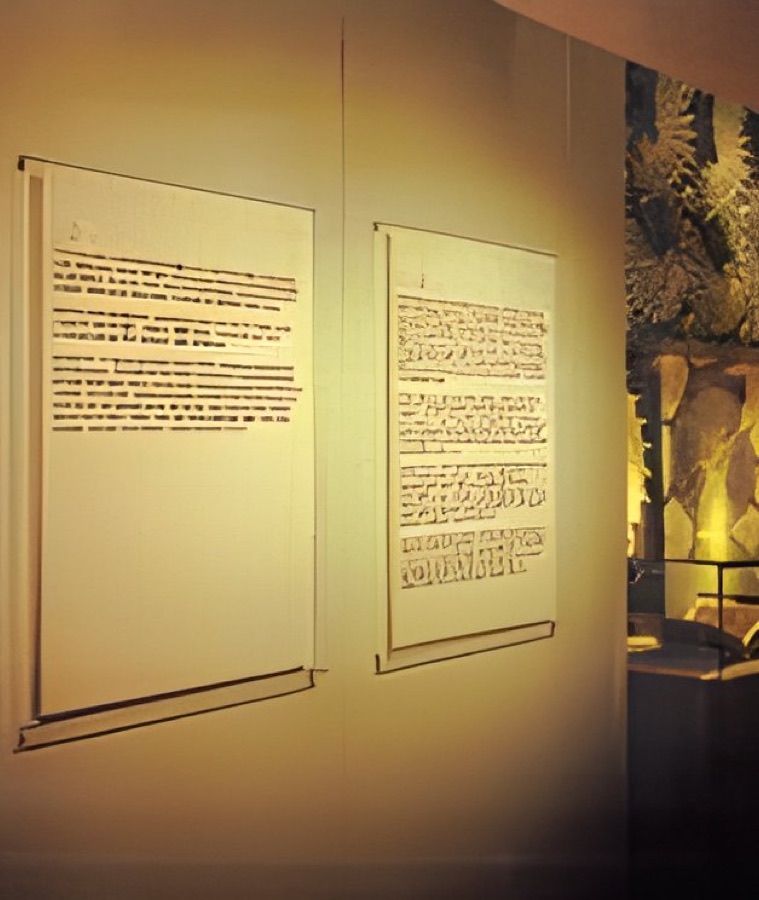
Your questions.
Can corridor panels be wiped clean?
A sealed or laminated surface copes with a damp cloth far better than a bare print. Tell us what cleaning products are used, as some are harsh on printed finishes.
What about corners where trolleys turn?
Leave them clear if you can. A panel on a corner will be hit sooner or later, so set it back from the turn.
Would framed posters work better?
They can suit an office, but glass or acrylic adds reflections, and frames stick out further. In a tight corridor a flat board is usually easier to live with.