
Photo matt paper prints
Stand in the room where the print will hang and look at the windows. If light falls straight on that wall, matt paper is probably your answer.
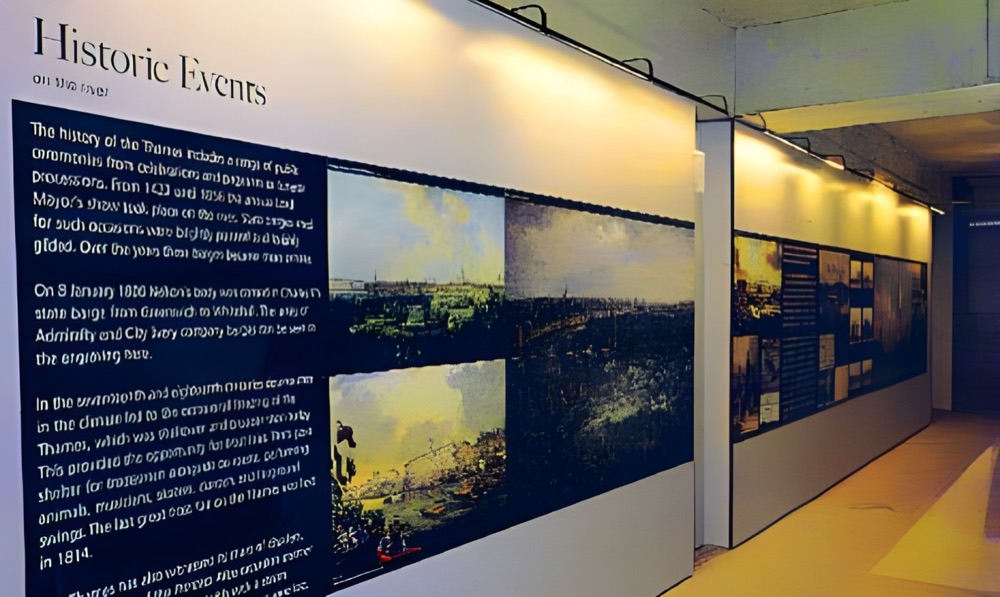
A surface that stays out of the way.
Matt paper scatters light instead of mirroring it. You lose a little of the punch that a shiny sheet gives to blacks and saturated colour, and in exchange you can read the print from almost any angle. For a lot of real rooms, that is a very good trade.
Where matt beats the alternatives
| Situation | Why matt helps |
|---|---|
| Long passages of text | No bright patch sits across the words |
| Rooms with big windows | Daylight does not bounce into viewers' eyes |
| Strip lighting or spotlights | Lamps do not appear as reflections |
| Maps, plans and diagrams | Fine lines stay legible from the side |
| Prints photographed at events | Fewer flash flares in the pictures |
| Soft, painterly or pastel images | The quiet surface suits the subject |
Who tends to choose it
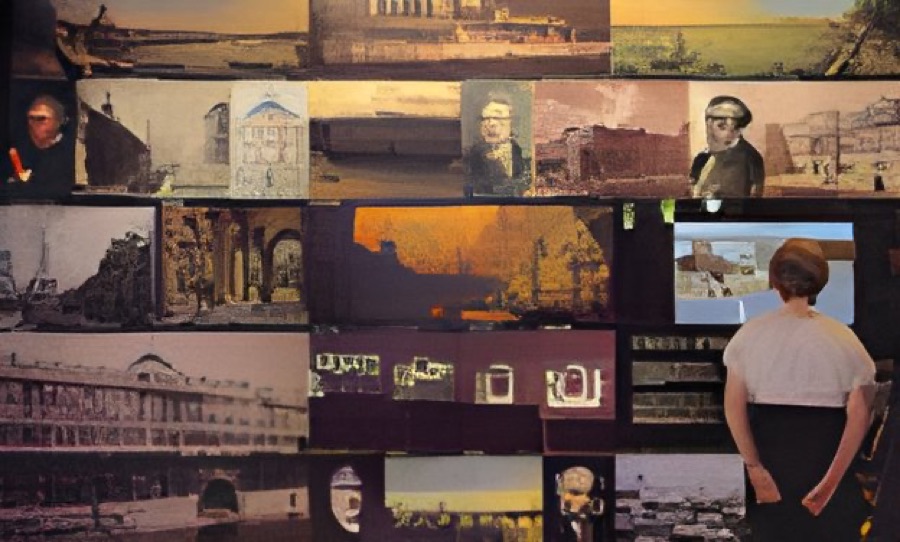
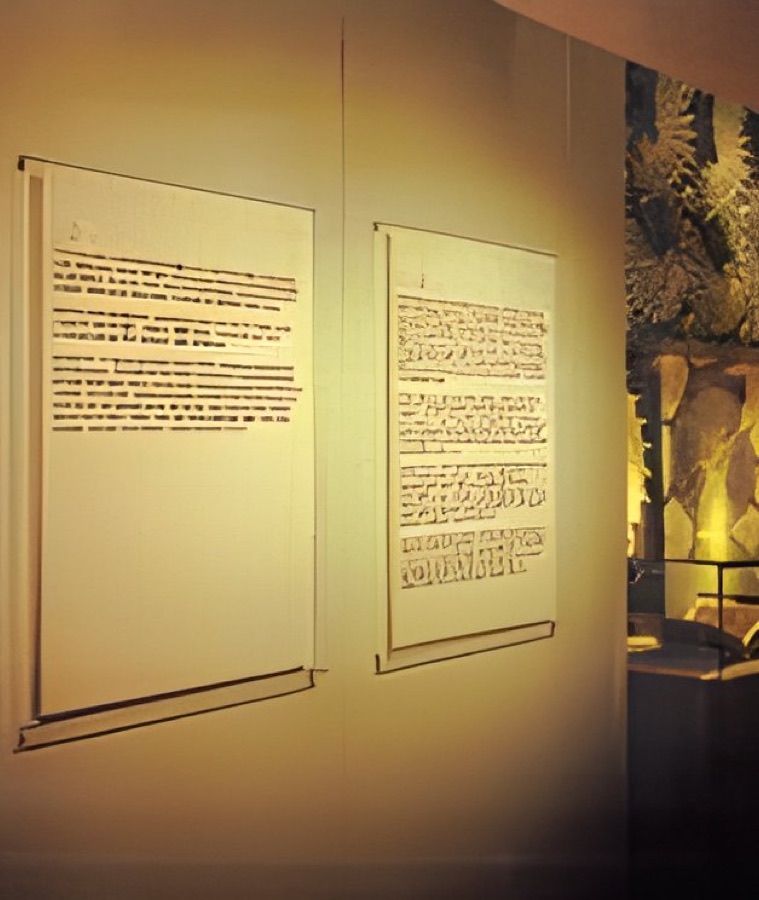
Museums, architects and anyone producing information panels often default to matt, because a reader should never have to shuffle sideways to dodge a reflection. Photographers pick it for soft landscapes and for black and white work with a gentle, printed feel.
Where it is the wrong choice
Dark, moody photographs can look a little flat on matt, because the deepest shadows do not reach the same depth as on a shinier sheet. If rich blacks are the point of the picture, compare it with photo gloss or the middle route of photo silk.
Treat the surface gently
The soft finish does not show fingerprints in the way gloss does, but it can polish or scuff if it is rubbed. Rolling prints tightly with their faces together or sliding one sheet over another can leave shiny marks that will not come out. Keep a sheet of clean paper between prints and lift them instead of dragging them.
On a busy wall, a laminate or seal will protect the surface. Tell us if you want to keep the matt look, as a glossy finish on top would defeat the object. If a brand colour has to be exact on this paper, read matching Pantone colours and test a small section first.
Prices by weight
| Size | 135gsm | 190gsm |
|---|---|---|
| A2 | £11 | £17 |
| A1 | £20 | £30 |
| A0 | £30 | £40 |
| 30in x 20in | £18 | £24 |
| 40in x 30in | £26 | £38 |
| 60in x 40in | £45 | £60 |
Guide prices from our price list. They exclude VAT and delivery and assume print-ready artwork.
Words and pictures on the wall.
Your questions.
Does matt paper need glass in a frame?
It does not have to have it, but glass protects the surface. Remember that ordinary glass adds its own reflections, which can undo the benefit of a matt print.
Can I write on a matt print?
Usually pencil or pen will mark it, which is useful for plans and working drawings, but ink can smudge or feather. Try a corner first.
Is matt paper good for posters with lots of black?
It will print well, but very large solid blacks can show handling marks more easily. A seal can help if the poster will get knocked.