
Optically clear polyester prints
A clear, stable film that carries your image with very little haze. Whatever sits behind it becomes part of the picture, so plan the two together.
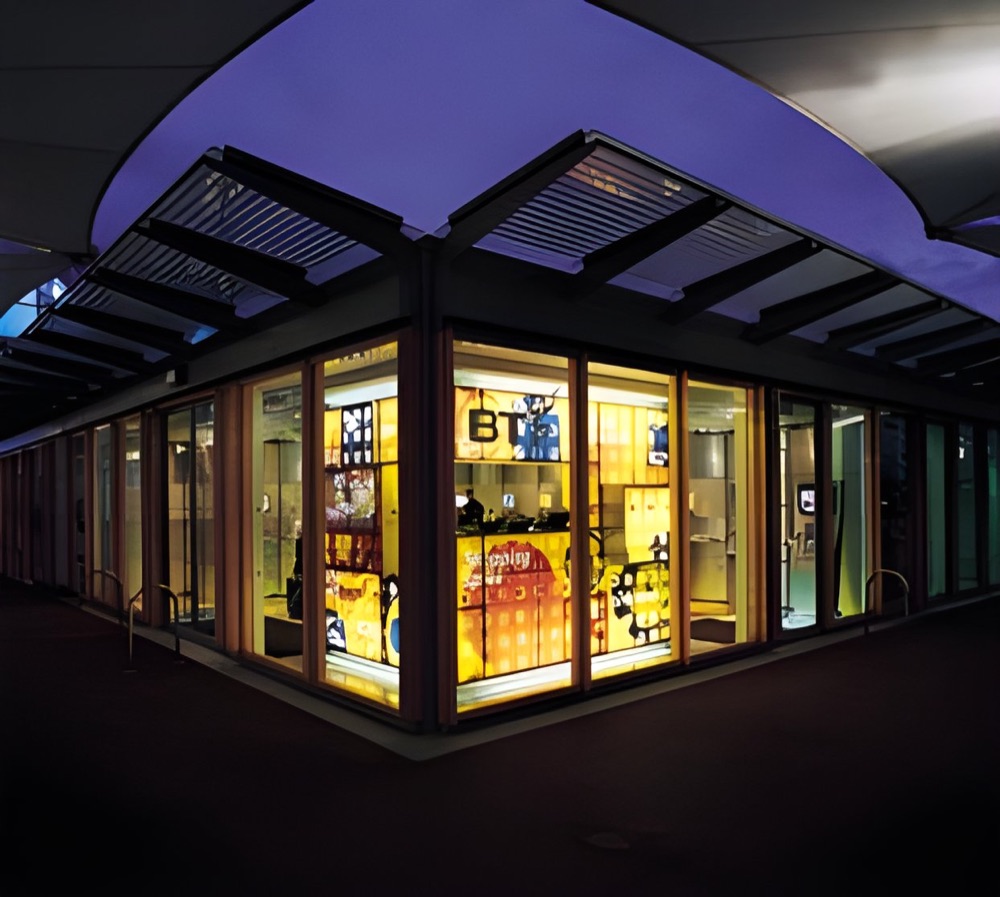
Treat the background as a second layer.
White paper does a lot of unseen work in a print: it bounces light back through the ink. Clear film has no such help. Ink on a transparent base behaves more like stained glass, so a pale tint almost disappears and a strong colour takes on whatever lies behind it.
That is the whole character of this material, and it is why a good job starts with a question about the background, not the artwork.
What "optically clear" buys you
Plenty of films look clear on the roll. The difference shows when you look through one at something detailed. A low-haze film leaves the view crisp, where a lesser film can look slightly milky. Polyester is also tough and dimensionally stable, so it usually holds its shape better than softer plastics as temperatures change.
Three tests before you order
- Tape up a paper version. Fix a rough print to the glass or panel and view it from where people will stand. If the layout only works on white, rethink it.
- Check the light direction. Light from behind makes colour glow. Front light with a dark background can make the same print nearly vanish.
- Decide what must stay solid. Small text and logos struggle against a changing background. If part of the image has to be opaque, ask us how that can be built before you design around it.
Jobs it tends to suit
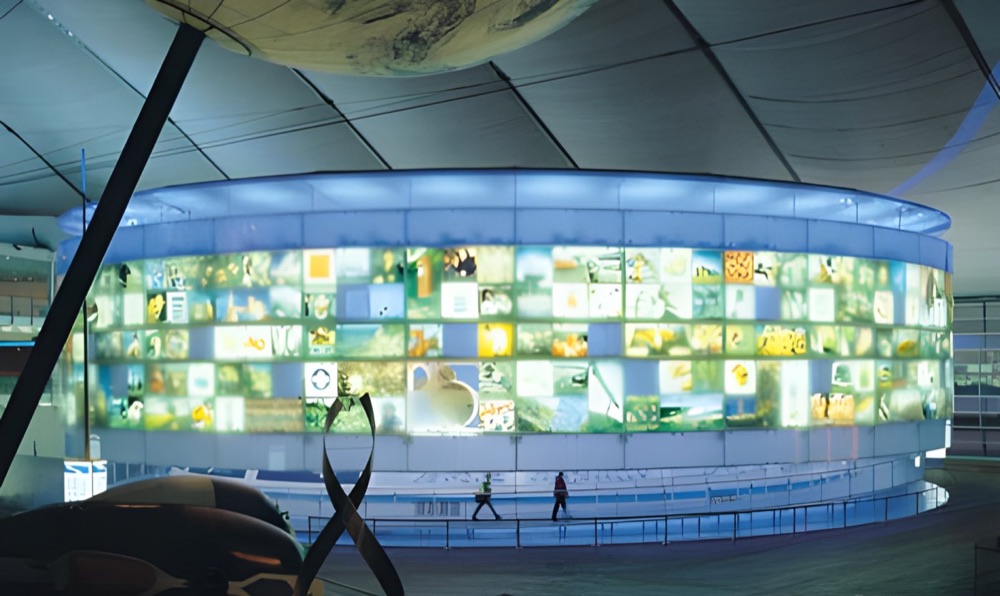
- Layers placed over a lit panel or inside lightbox graphics
- Overlays for presentations and display models
- Graphics held between sheets of glass or acrylic
- Artwork where two images combine into one
For shorter-lived work, compare it with acetate prints. If the print needs to stick straight onto a window, look at clear window vinyl instead.
Handling a film this clear
Nothing hides on it. Fingerprints, dust and fine scratches all show, so hold it by the edges, wear clean cotton gloves if you can, and clean any glass before the film goes near it. Store a sheet flat or loosely rolled, with clean paper against the printed face, since a tight roll can leave a curve that shows up against glass.
| Size | Price |
|---|---|
| A2 | £37 |
| A1 | £55 |
| A0 | £80 |
| 30in x 20in | £42 |
| 40in x 30in | £63 |
| 60in x 40in | £126 |
Guide prices from our price list. They exclude VAT and delivery and assume print-ready artwork.
Print, glass and light together.
Your questions.
Does the film come with an adhesive back?
Do not assume so. Tell us how you plan to fix it, whether that is clips, a frame or sandwiching it between panels, and we will confirm what suits your job.
Will white areas of my artwork print white?
Not by default. On clear film, unprinted areas stay clear. If you need white in the design, raise it with us before you finish the artwork.
How is polyester different from acetate?
In everyday speech both are simply clear film. Polyester is generally the tougher and more stable of the two, and on our price list it costs more at every size.