
Acetate prints
Designers, architects and artists ask for acetate when an image needs to let something else show through. Here is what to expect, and what tends to go wrong.
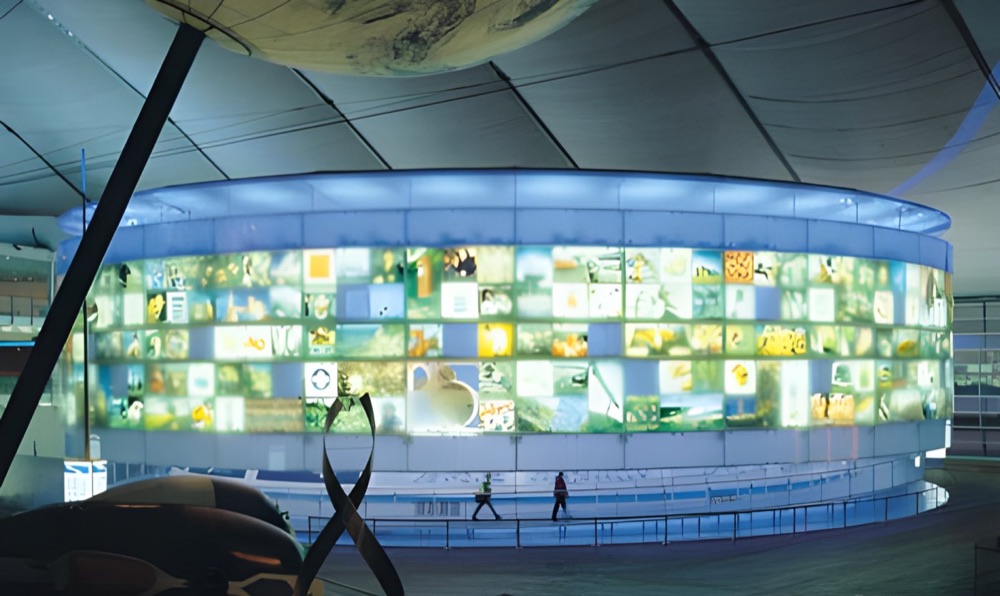
A word that covers a lot of film.
Strictly, acetate is a cellulose-based plastic. In print shops the word has drifted, and people use it for almost any clear sheet, much as they say "hoover" for any vacuum cleaner. So when you ask for acetate, describe the job as well as the name. We can then check that the film you get is the film you pictured.
What people use it for
Overlays are the classic use: a sheet of proposed changes laid across a plan, or a second image placed over a photograph. It also turns up in architectural models, in layered artwork, in theatre and window displays, and anywhere a designer wants a printed image to catch light from behind.
A thin sheet usually needs something to hold it: a frame, clips, a slot or a second panel. Decide on that before you settle the size.
Five slips worth avoiding
- Designing in pale tints. Soft colours fade to almost nothing on film. Push the contrast further than feels natural.
- Forgetting the reverse. People will see the image from both sides if the sheet hangs loose, and one of those views is a mirror image.
- Expecting white. Unprinted areas stay clear unless you have agreed otherwise. Ask us if your design relies on white.
- Handling it bare-handed. Film holds on to fingerprints, and it creases if you flex it sharply.
- Lining up overlays by eye. If two layers must register, add small crop or alignment marks to both files.
Acetate or optically clear polyester?
Acetate is the lower-priced option on our list. Optically clear polyester is the upgrade if the sheet needs to be very transparent, or has to stay in place for a long stretch.
| Size | Acetate | Optically clear polyester |
|---|---|---|
| A2 | £26 | £37 |
| A1 | £39 | £55 |
| A0 | £65 | £80 |
| 30in x 20in | £33 | £42 |
| 40in x 30in | £59 | £63 |
| 60in x 40in | £99 | £126 |
Guide prices from our price list. They exclude VAT and delivery and assume print-ready artwork.
Mounting it in light
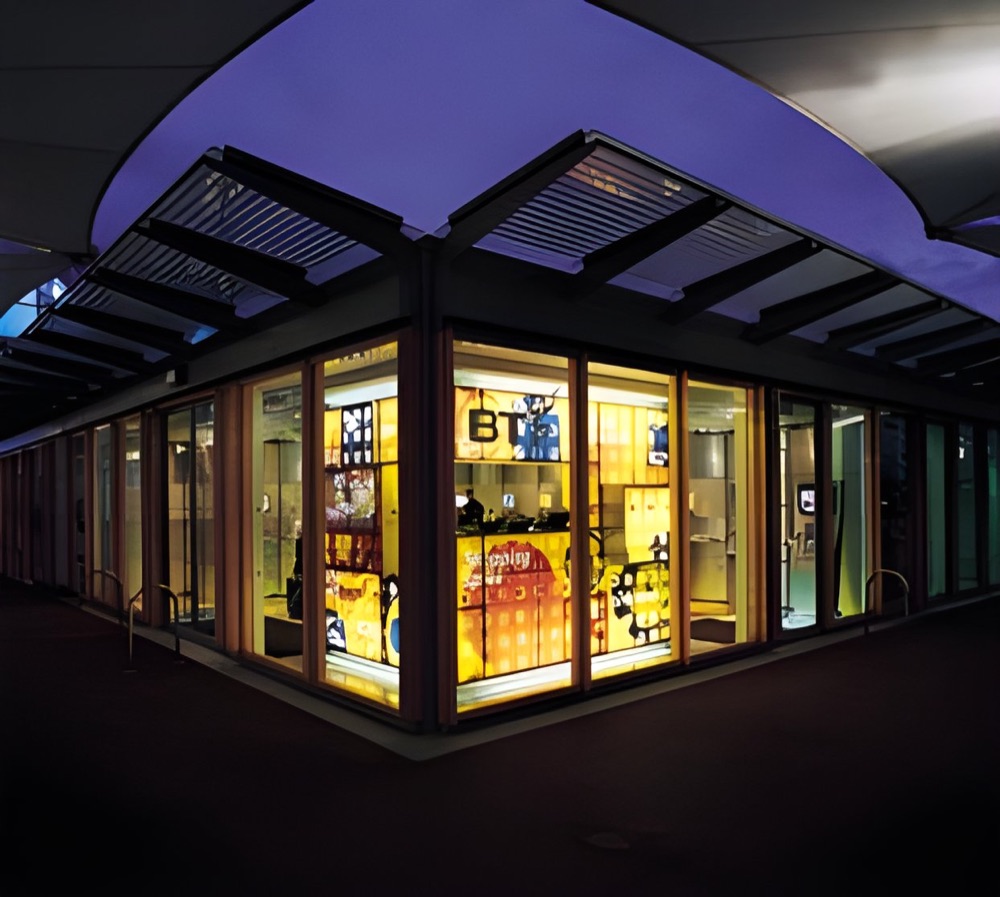
A sheet with a light behind it may be better served by purpose-made backlit film, which diffuses the glow. Acetate leaves the lamp or LEDs more visible, which can be either a problem or the very effect you want. Run a small test first.
Images that work with light.
Your questions.
Can you print a mirror image for the reverse of the film?
Yes, the artwork can be flipped. Tell us which side will face the viewer, because it changes how the file needs to be set up.
Can acetate overlays be used on a plan?
They can, and it is a common use. Supply both files at exactly the same scale, with alignment marks, so that the layers match.
How should I store printed film?
Keep it flat or loosely rolled, somewhere cool and dry, with clean paper between sheets so that the printed faces do not rub.