
Archiving original artwork
Once a piece has been sold, the only image you own may be a phone snap taken on the way out of the studio. A small routine prevents that.
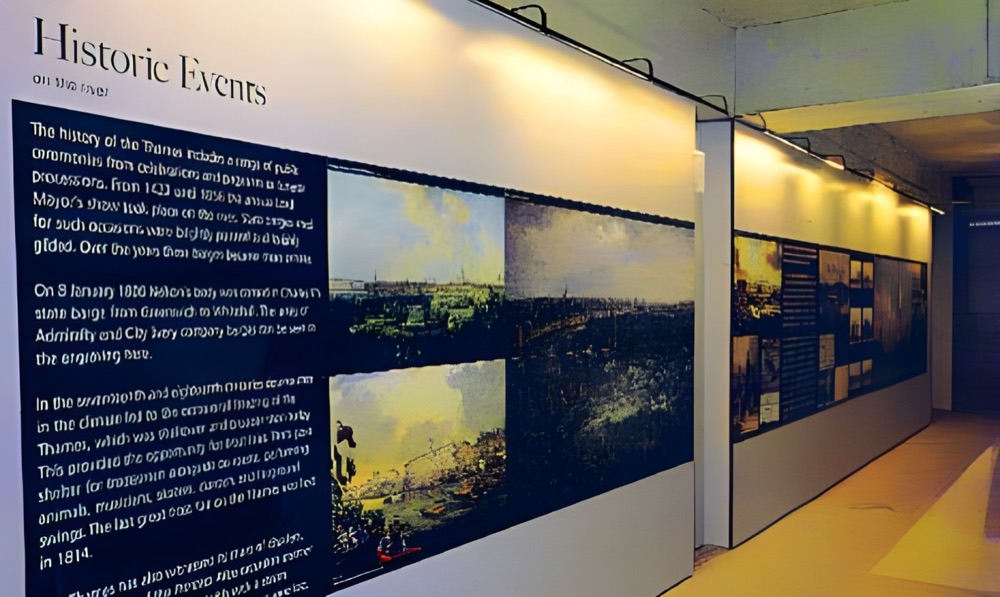
Record it before it leaves.
An archive has two halves: a good digital copy of each work, and sensible care of whatever physical pieces you keep. Artists, estates and small collections all tend to do the second and forget the first, until someone asks for a catalogue image or a reprint.
Step one: a master capture
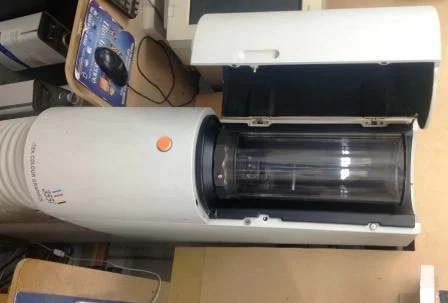
Aim for one high-quality capture of each piece, made once and done properly. Flat, flexible work can be scanned. Canvases, boards and framed or fragile pieces are usually photographed. Film and transparencies suit a drum scan, and our notes on scanning at 8000 dpi explain when a very high setting is sensible for a master.
| Size | Drum scan | Digital photography |
|---|---|---|
| A4 | £25.00 | £20.00 |
| A3 | £30.00 | £40.00 |
Guide prices from our price list. They exclude VAT and delivery and assume print-ready artwork.
Step two: files you can find in ten years
- Keep the master as an uncompressed format such as TIFF, and never edit it. Make copies for web use.
- Use one naming pattern and stick to it. Year, a running number and a short title works well, for example 2026-014-harbour-study-master.tif.
- Avoid names like "final" and "new". They stop being true.
Step three: a record for each work
| Field | What to note |
|---|---|
| Reference | The number used in the file name |
| Title and date | As you would want them published |
| Medium and size | Height by width, in millimetres |
| Location | Studio, gallery, on loan or sold |
| Capture | Date, method and who did it |
| Rights | Who holds copyright, and any licences granted |
A spreadsheet is fine. What matters is that someone else could understand it.
Step four: copies in more than one place
A common rule of thumb is three copies, on at least two kinds of storage, with one kept off the premises. Open a few files from each copy once a year, because drives fail quietly. Do not treat any print supplier as your archive, us included. Your own backups are the ones you control.
Step five: looking after the originals
- Choose somewhere cool, dry, dark and stable. Lofts, cellars, garages and outside walls are the usual trouble spots.
- Store works on paper flat, with acid-free tissue or folders between sheets.
- Keep plastic wrap and bubble wrap from touching a painted surface.
- Stand canvases upright, with their corners off the floor and something between each face.
For valuable or fragile pieces, ask an accredited conservator for advice. A good digital record is a safeguard, but it never replaces the work itself.
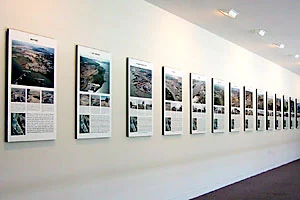
Work worth keeping a record of.
Your questions.
Is a JPEG good enough for an archive?
A JPEG is fine as a working copy, but it discards data each time it is saved. Keep a TIFF or similar as the master and make JPEGs from it.
Can you capture a whole body of work?
Yes, talk to us about the number of pieces and their sizes. Discounts are available on quantity, and larger originals need a conversation first.
How long will a hard drive last?
No one can promise that, so plan as if any single drive could fail at any time. Multiple copies, checked regularly, are the safeguard.