
Drop systems for wall displays
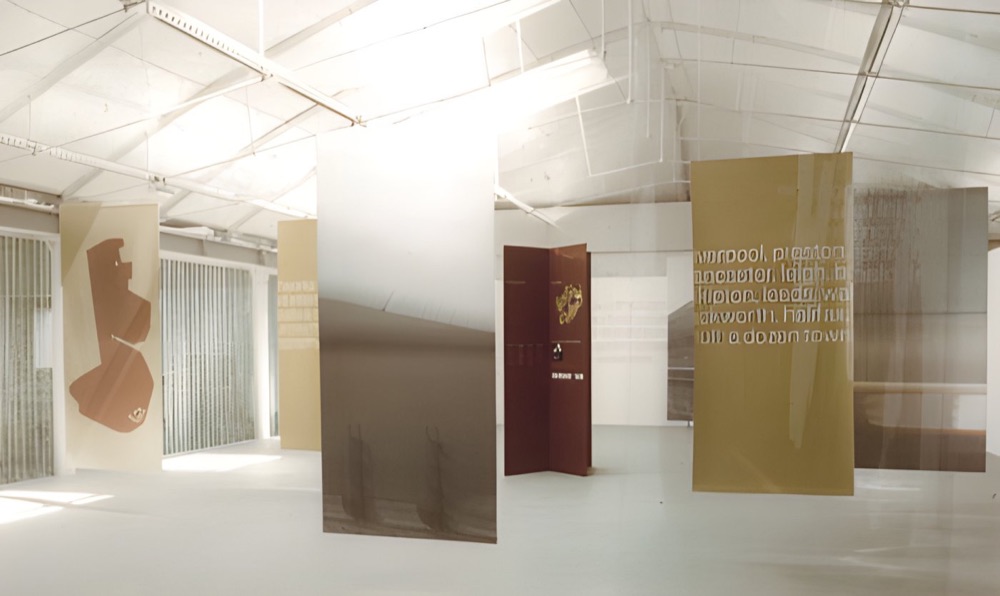
The idea behind a drop system is simple: fix a line of hanging points high up once, then let graphics drop from it as often as you like. Displays change and the wall stays untouched.
Who it is for.
This is the choice for a building that shows something new every few months and does not want a fresh set of screw holes each time: a library foyer, a school corridor, a community gallery, a heritage site with walls nobody is allowed to touch. The fixing work happens once. After that, a graphic can be swapped by one or two people.
Systems vary, from rails and wires to simple top-hung arrangements, so tell us about your space and we will talk through what is suitable. Drop systems are available on request.
Working out the heights.
Plan from the eye line, not from the ceiling. Say your ceiling is at 3000mm and you fix the hanging line at 2500mm, to keep it out of reach and clear of a door head. You want the centre of each graphic at about 1500mm from the floor. A graphic hung so its centre sits there has 1000mm above the centre, so it needs to be about 2000mm tall, finishing around 500mm above the floor. If you would rather use a shorter graphic, it has to hang on a longer line, and the line stays visible.
Do this sum before you design, and check it against skirtings, radiators, sockets and any handrails that lie along the wall.
Which graphics suit it?
| Graphic | How it hangs | Good for |
|---|---|---|
| Eco-textile with bars | Softly, needs a bottom bar | Quiet, gallery-like spaces |
| Poster with hanging bars | Flat if the paper is heavy | Regular changes at low cost |
| Light rigid board | Crisp, can swing | Text panels that must stay flat |
| Double-sided fabric | Away from the wall | Atriums and stairwells, if allowed |
Lighter boards are covered in lightweight boards for hanging. Bottom bars matter for fabric and paper alike, as our page on hanging bars explains.
A short checklist.
- Find out what the wall or ceiling is made of, and what it will bear.
- Ask the building manager who has to approve fixings. In a listed or historic building, get proper advice before anything is drilled.
- Decide the widest and tallest graphic you ever expect to show.
- Keep to one or two standard sizes so that panels can rotate.
- Allow for safe access. Someone will be reaching up at each change.
- Check that nothing hangs across exits, signs or sprinkler heads.
Once fixed, a standard size makes every later show easier to produce, because the same artwork template can be used again and again.
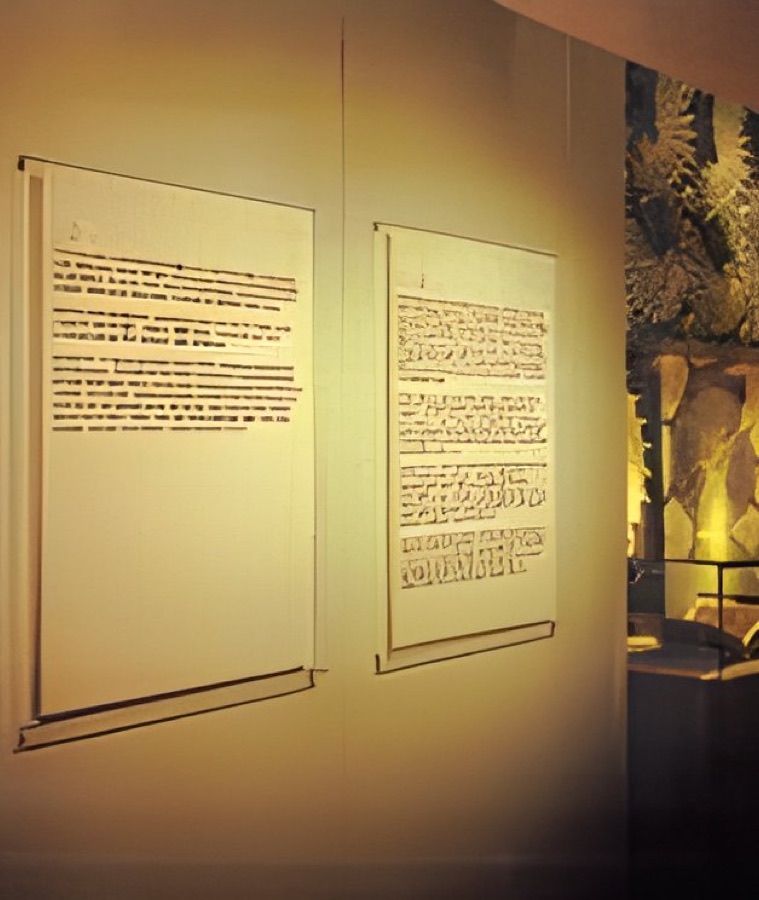
Hanging displays in public rooms.
Your questions.
Can a drop system go in a rented building?
Possibly, but you need the landlord's permission, because the first fixing still goes into the building. Keep a record of what was agreed.
How much weight can it hold?
That depends on the system and on what it is fixed to. Get this confirmed for your wall or ceiling, and do not guess.
Can graphics be left hanging permanently?
Yes, though lighting and dust will affect them over time. Keep the files safe, so that a tired piece can be reprinted.