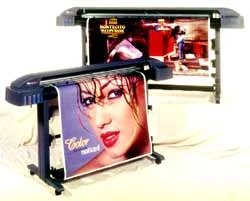
Photographic printing
Bring digital photographs into print for portfolios, interiors and exhibitions.

Metallic prints use a pearlescent paper base that gives highlights a pale, almost liquid sheen. Photographers often pick them for images that benefit from a touch of drama, though the effect does not flatter every subject.
Chrome, glass, water, night cityscapes and anything with hard highlights tend to respond beautifully, since the shimmer looks as if it belongs in the scene. Black and white work with strong contrast can also take on a silvery quality. Portraits are harder. Skin may look slightly cool or plastic, and pale, flat backgrounds pick up the sheen across their whole area, which can distract. Before ordering a big print, look at your image and ask whether its brightest parts should actually shine.
People use the word metallic for two different things. This page refers to photographic paper with a pearlescent coating, so the print is still paper and can be framed or mounted like one. Printing onto actual aluminium is a separate process with a different feel, and rigid metal panels fall under aluminium signs or other routes. Make sure you say which one you mean, particularly if a designer has specified the finish. For the wider range of surfaces, see our photo printing options, and ask what is currently available.
The sheen is directional, so the print changes as you walk past it. A spotlight at an angle brings it to life, while soft, flat light can leave it looking like an ordinary satin print. Whites never appear as a clean paper white, and they carry a slight warmth or grey sheen, so adjust expectations if you are used to standard stock. Glazing with heavy reflections hides much of the effect. Order a small test print first and try it in the place you plan to show it.
They can work for dramatic, high-contrast shots, but soft portraits often suit a standard lustre surface better. Skin tones can take on a cool sheen, so try a small test print before committing.
Slightly, perhaps. The base can make shadows feel deeper and highlights brighter, so overly punchy edits may tip into harshness. Start from a well-balanced file, then judge any changes from a proof.
Bring digital photographs into print for portfolios, interiors and exhibitions.
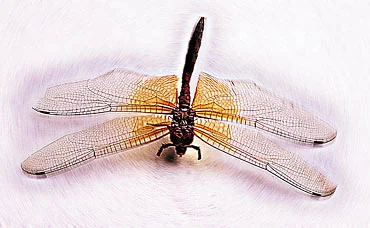
Reproduce artwork and illustrations for display, portfolios or sale.

Give printed graphics the structure and finish they need.
Tell us what you’re making. We’ll help you plan the print.