
How to brief a large format printer
You do not need to know the name of the material. You need to say where the print is going, what it has to do and when it has to be there.
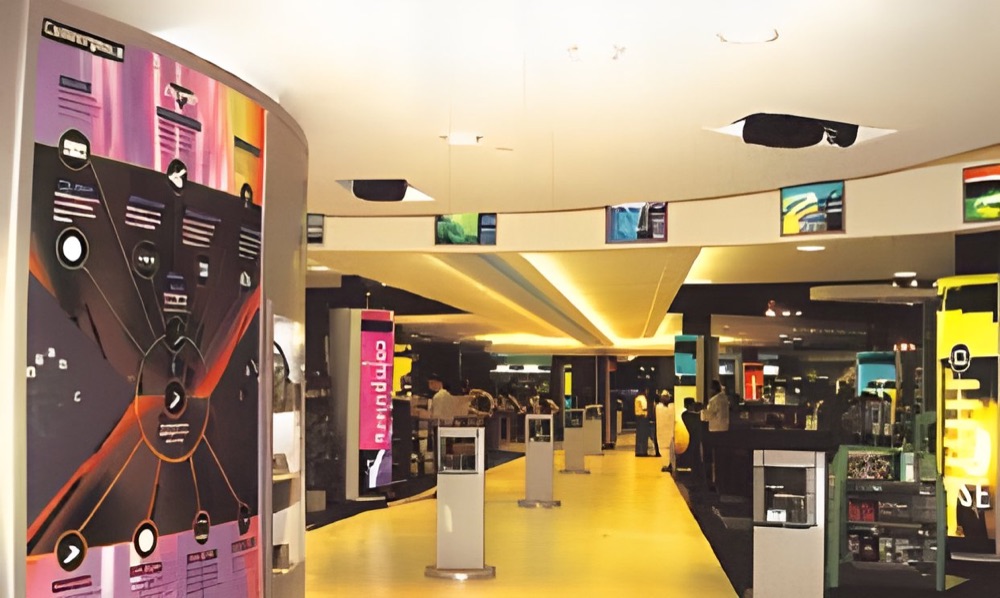
Two briefs for the same job.
This one leaves a printer guessing:
"Hi, can I get a price for a big sign for our event? Needed soon. Thanks."
This one can be answered in a single reply:
"We are running a two-day careers fair in a sports hall next month. We need a sign to go behind the registration desk, about 3m wide and 2m high, and we would like to use it again next year. There are no fixing points on the wall, and two of us will set it up. We have a logo as a vector file, but no layout yet. It has to reach us by the Wednesday before."
That example is made up, but look at what it gives away. It rules out wall fixings. It suggests a reusable stand. It flags that design help is needed. And no mention of any material was required.
The seven things to cover.
- Purpose. What should someone do or feel on seeing it?
- Place. Indoors or out, on what surface, and at what height? Attach a photo.
- Size. Finished width and height, with units. Say if the size can flex.
- Quantity. Include any versions, such as one sign per department.
- Life. Is this for a day, a season or years, and will it be moved or reused?
- Artwork. Is it ready, nearly there, or does it need to be designed?
- Date and delivery. When must it be in place, and where does it go?
Say what is fixed and what is open.
Briefs go wrong when a guess is written down as if it were a requirement. "We need 5mm Foamex" may be a real specification, or it may be what someone remembers from last time. If you are not sure, say so. A printer who knows the goal may suggest something that suits your purpose or your budget better.
Things people tend to leave out
- Access: narrow stairs, a lift, a loading bay or a timed slot
- Venue rules on fixings or materials
- Who approves the artwork, and how long that takes
- Your budget, even as a rough range. It helps us suggest a route that fits.
- Other pieces in the same scheme that need to match
For larger projects
If the job has several items, send a simple list, with one line each for location, size, material if known, and quantity. Name one person who can make decisions. Our print management page explains how to run a multi-part job.
Want to compare suppliers once the brief is ready? See how to get an accurate print quote. For questions to put to any supplier, try what to ask a print supplier.
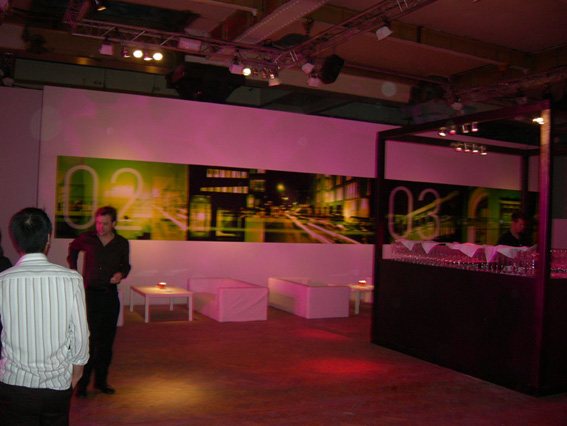
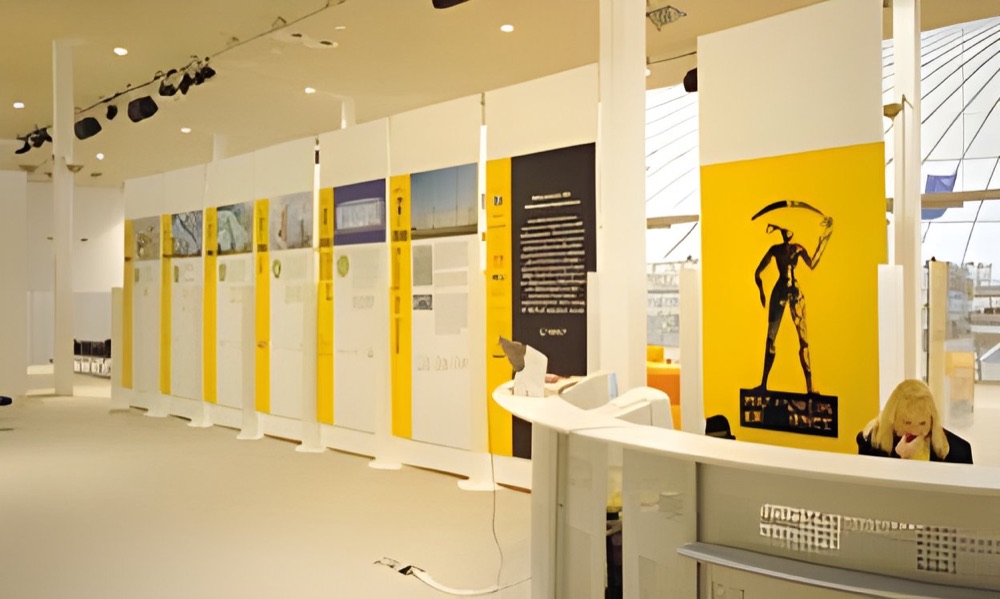
Different spaces, different briefs.
Your questions.
What if I do not know the size yet?
Tell us what you do know. A photo of the space with a rough measurement is enough to start a useful conversation.
Should I specify the material myself?
Only if you have a reason. If not, describe the use and we will suggest options, with the trade-offs explained.
Is a phone call or email better?
Email gives us something to refer back to, and you can attach photos. A call is good when you are not sure what you need. Many jobs begin with one and end with the other.